


The Power of Play in Early Childhood Education!

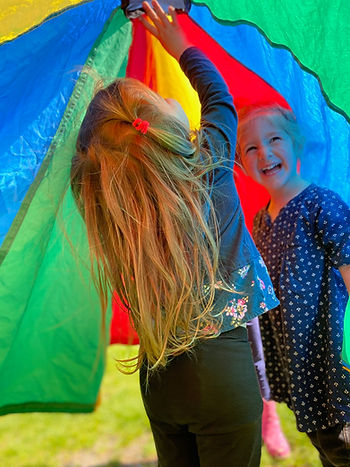
Hey there! If you’re here, chances are you care about giving kids the best start in life. And guess what? We’re totally on the same page! At Bloom, we’re all about letting kids be kids—and that means lots and lots of play.
So why are we so obsessed with play in early childhood education? Well, let’s break it down. Research tells us that when kids get to learn through play, they remember stuff way better. Think about it: when was the last time you learned something by just being told about it? Probably not as often as when you figured it out yourself, right?
Now, cast your mind back to your own childhood. Remember those days of endless play and exploration? That’s what learning looked like for us too—no formal stuff at age three, just lots of time to explore, make mistakes, and have fun.
But fast forward to today, and it seems like we’re in a rush to make kids grow up too quickly. We’re filling their days with structured activities and forgetting about the magic of play. And guess what? It’s not doing them any favors.
See, those early years are crucial. Did you know that about 90% of our brain grows before we even turn five? That’s why we’re all about protecting those precious years and giving kids the chance to learn through play.
At Bloom, we believe in the power of play to unlock children’s potential. When kids play, they’re not just having fun—they’re building essential skills like problem-solving, teamwork, and resilience. By providing a nurturing environment that prioritizes play-based learning, we’re setting our children up for success both in school and in life.
Want to join us in championing play-based learning? Share this message and let’s make sure every child gets the chance to learn through play. After all, the future starts in the sandbox!
#play #earlychildhood #education #learningthroughplay #advocacy #childdevelopment #holisticlearning #futuregenerations #socialskills #emotionalintelligence #braindevelopment #playmatters #speakup #educationalreform


When searching for a structured online option for children, I came across platforms that base their methods on the Science of Reading. These programs usually start with an assessment to identify missing foundational skills like phonics, vocabulary, or fluency. For those who want to evaluate how these structured learning paths are organized, checking https://brighterly.com/reading-program/ provides a clear overview of the curriculum and grade levels. The overall approach relies on live one-on-one sessions with certified tutors who adapt to the individual pace of the student. From what I observed, the curriculum aligns with standard US school requirements from elementary through high school, focusing on active engagement rather than passive screen time.